


Casino mobile apps have reshaped the way gamblers get to real-money games, moving the experience from large desktop systems to polished, pocket-sized gaming hubs. A well-designed casino app does a lot more than just shrink a website to fit a smaller screen. It harnesses device hardware, improves touch interactions, and adds exclusive functionalities that browser-based platforms cannot match. For those considering installing a dedicated casino app like the LalaBet Casino mobile application, knowing the core feature set is the starting point toward a more fluid and more rewarding experience. This guide details every critical component, from installation and navigation to security, payment processing, game performance, and customer support. By examining what distinguishes a polished app from a mediocre one, players can choose wisely and configure their devices for uninterrupted play. The sections that follow explore device compatibility, download steps, touch-optimized game lobbies, push notification management, biometric login options, streaming capabilities, and responsible gaming controls, delivering a thorough walkthrough of the modern casino app landscape.
Device Requirements and Technical Specifications
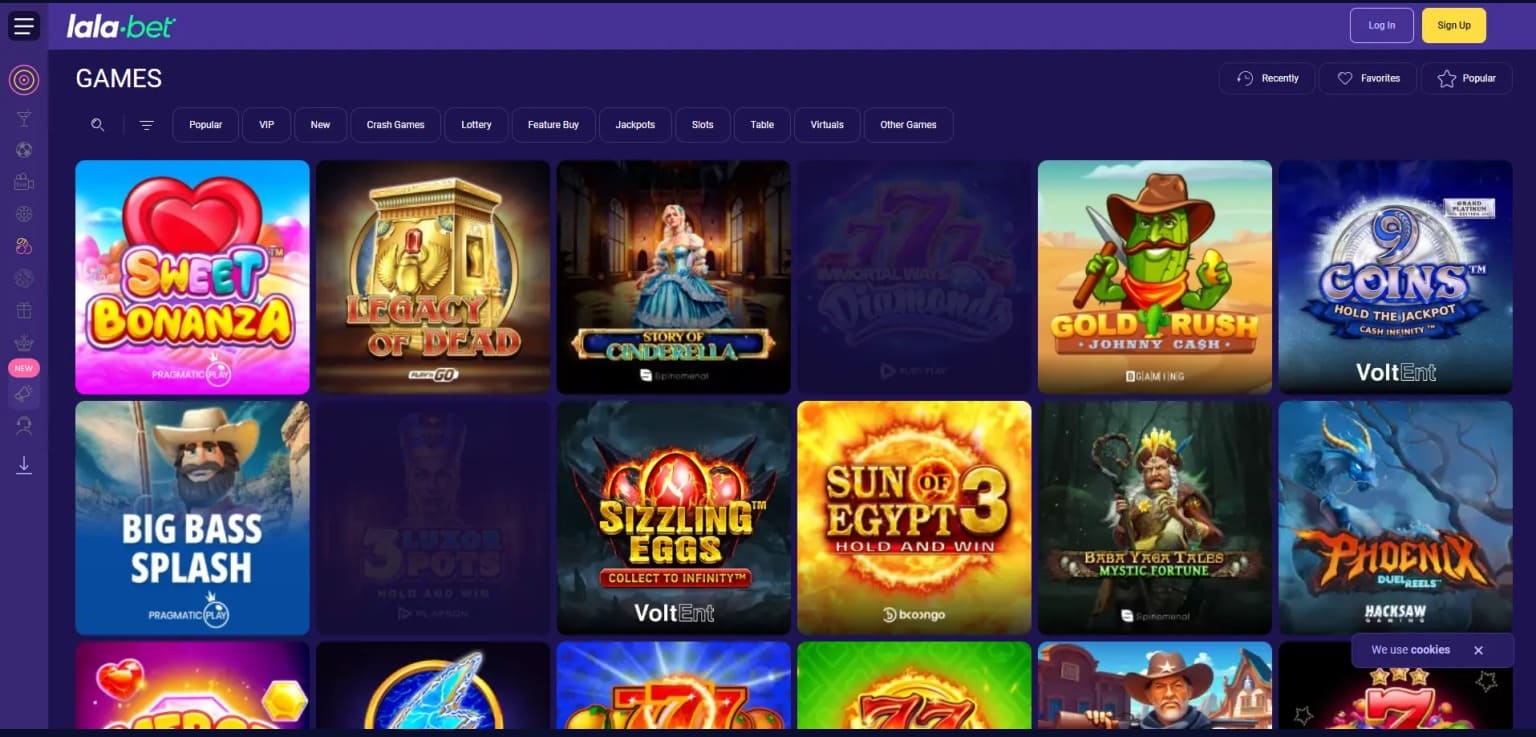
Before beginning any download, verifying if a specific smartphone or tablet satisfies the minimum requirements saves time and avoids performance issues. Casino apps like the LalaBet Casino application are typically developed for the two dominant mobile operating systems, iOS and Android, each with its own set of version cutoffs. For Apple devices, an operating system of iOS 14.0 or later is typically necessary, which encompasses iPhone models from the 6s onward and most iPads released after 2016. On the Android side, the app generally needs version 8.0 (Oreo) or newer, with stable support across manufacturers including Samsung, Google Pixel, OnePlus, and Xiaomi. Beyond the OS, available storage space turns into a critical factor. High-quality casino apps with integrated game engines and graphics libraries can need between 150 and 400 megabytes of free space, and that figure grows as games are cached and updates are applied. A device with at least 2 gigabytes of RAM guarantees that live dealer streams and animation-heavy slot titles run without stuttering or unexpected closures.
Screen resolution and aspect ratio also impact the visual output. Modern casino apps adjust dynamically to edge-to-edge displays, notched screens, and foldable devices, but users with older tablets may encounter letterboxing or stretched interfaces. A stable internet connection is non-negotiable; while some apps permit offline demo modes for a handful of slots, any real-money wagering, live casino session, or deposit action requires a consistent 4G, 5G, or Wi-Fi signal. App developers roll out periodic updates to fix security gaps and add new game titles, so enabling automatic updates through the App Store or Google Play Store (or the official APK source) ensures the software aligned with the operator’s server protocols. Players who employ less common mobile operating systems, such as HarmonyOS or custom Android forks, should check compatibility directly through the operator’s support team before attempting installation. Checking these details upfront eliminates the most common setup hurdles.
Payment Handling, Safety, and Responsible Gambling
Deposits and Withdrawals on the Go
A seamless mobile cashier transforms a casino app into a complete financial tool. Deposit interfaces should support an array of methods appropriate to the player’s region, including Visa, Mastercard, Skrill, Neteller, PayPal, Paysafecard, and instant bank transfer services. The mobile app keeps encrypted payment tokens rather than full card details, so returning players can top up a balance with a single biometric confirmation rather than inputting sixteen-digit numbers on a small keyboard. Deposit limits are adjustable directly within the cashier, and minimum and maximum amounts are presented dynamically based on the selected method. Withdrawals observe the same principle: the app displays pending, processed, and completed cashout requests with timestamps, and any mandatory identity verification documents can be uploaded by photographing them through the device camera. A dedicated notification alerts the user when documents are approved or when additional information is needed, ensuring the process transparent without forcing the player to contact support.
Account Safety and Data Encryption
Protection on a casino app goes beyond a simple login screen. Modern implementations incorporate biometric authentication—fingerprint scanning or Face ID—that adds to the standard password entry, enabling registered device owners to access the app in a fraction of a second while preventing unauthorized access. All data sent between the app and the operator’s servers passes through TLS 1.3 encryption, the same protocol utilized by banking applications, and sensitive operations like password changes or withdrawal requests trigger an additional two-factor verification step provided through SMS or an authenticator app. The application sandbox prevents other installed programs from reading the casino app’s cached data, and copy-paste functionality may be limited inside password fields to guard against clipboard snooping malware. Regular penetration testing by independent security firms ensures the codebase stays resilient against emerging threats, and the app logs all login attempts so users can identify unusual activity immediately.
Responsible Gambling Controls
Carefully crafted casino apps embed responsible gaming tools straight into the account settings instead of burying them in a separate website section. Players can set daily, weekly, or monthly deposit caps that cannot be overridden without a cooling-off period, and session timers display elapsed play duration with an optional pop-up reminder when a predetermined interval is reached. Loss limits, wager limits, and reality-check notifications are adjustable through simple sliders and toggle switches. The self-exclusion function, when activated, blocks access to the app across all linked devices for a chosen span ranging from six months to five years, and the operator ensures that marketing communications cease simultaneously. Direct links to third-party support organizations such as GamCare and BeGambleAware are listed inside the tools section, and a self-assessment questionnaire helps players evaluate their gambling behavior discreetly. These features meet regulatory requirements while genuinely empowering users to manage their time and spending without exiting the gaming environment.
Slot Library and Live Broadcast
Slot Variety and Efficiency
A mobile casino app succeeds or fails by the extent and usability of its slot collection. Top apps include titles from various software providers like NetEnt, Pragmatic Play, Play’n GO, and Evolution, each of which fine-tunes its game clients for touchscreens using HTML5 frameworks. Mobile slots open directly within the app shell without opening an external browser window, and the best implementations support both portrait and landscape orientations so players can choose the grip that appears most comfortable. Functions such as turbo spin, autoplay with loss limits, and swipe-to-spin functionality are designed specifically for mobile gestures rather than simply mirroring desktop click patterns. The visual quality must adapt cleanly to high-DPI displays, ensuring text on paytables remains legible without pinching to zoom. Audio design also changes: games mute automatically when a phone call disrupts the session, and sound resumes at the previous volume without startling the player. Progressive jackpot totals refresh in real time, displayed clearly on the lobby tile so players can see seven-figure prize pools at a glance.
Live Dealer Integration
Live dealer games form the most technically complex segment of a casino app. Streaming high-definition video from a professional studio to a smartphone requires adaptive bitrate technology, which tunes picture quality in real time based on available bandwidth and stops buffering mid-hand. Dealers are shown in full-screen mode with a collapsible bet panel overlaid transparently, so players can place chips without obscuring the table. Dedicated live casino sections divide blackjack, roulette, baccarat, and game-show titles into subcategories, and many apps now offer portrait-mode tables designed specifically for single-hand play on a smartphone. A live chat window is located alongside the video feed, enabling real-time communication with the dealer and other participants without blocking the action. Latency, gauged in milliseconds, determines how smoothly the stream synchronizes with the bet timer; top-tier apps hold this delay under one second. Players can also bookmark specific live tables—such as a particular roulette wheel or a blackjack seat—and jump directly to them from the home screen on subsequent visits.
Interface Design and Navigation Design
The most overlooked feature of any casino app is its navigational framework, yet it directly determines how quickly a player locates a preferred game or handles their account. An well-designed mobile interface discards the multi-column layouts of desktop sites in favor of a bottom navigation bar or a collapsible hamburger menu that keeps critical actions accessible by one thumb. Casino apps designed with mobile-first principles segment their lobby into horizontal scroll strips named “Slots,” “Live Casino,” “Table Games,” and “Jackpots,” allowing users to swipe sideways through categories without leaving the main screen. A always-visible search bar placed at the top of the lobby enables players bring up specific titles by name or provider in seconds, avoiding the need to tap through multiple submenus. Color contrast, icon size, and touch-target spacing are engineered to reduce mis-taps, which is especially important when real money is at stake and an accidental spin on a high-stakes slot could turn out to be costly.
Beyond the game lobby, the cashier and account management sections must be logically arranged and responsive. Tabs for “Deposit,” “Withdraw,” and “Transaction History” need to be visible immediately upon entering the banking area, with saved payment methods shown as recognizable card or e-wallet icons rather than obscure text strings. A well-built casino app also includes quick-jump shortcuts; for example, tapping the account balance at the top of any screen opens the deposit panel, and long-pressing a game tile places it to a favorites list without navigating into a submenu. Loading speeds between sections are important enormously. An app that hesitates for two or three seconds each time a user switches from slots to live casino produces friction, whereas one that loads screens asynchronously feels instant. The LalaBet Casino app exemplifies this design philosophy by caching lobby thumbnails and provider filters, so returning players spend minimal time waiting for the interface to populate. Good navigation design eventually fades into the background, allowing the player focus entirely on the game.
Notification Messages and In-App Communication
Push notifications act as the essential bridge between the casino operator and the player when the app is not actively in use. Unlike email promotions that get lost in crowded inboxes, a timely notification about a new game release, a reload bonus, or a live tournament can draw a player back to the app within seconds. The most advanced casino apps offer granular control over notification categories. A player might enable alerts for withdrawal completions and exclusive bonus offers while muting promotional pushes for specific game verticals they do not play. This customization exists inside a dedicated notification settings panel, grouped by topic rather than displayed as a single on/off switch. Notifications leverage device-level APIs to show up on the lock screen with rich media, featuring the operator’s logo and a concise message body. Deep linking ensures that tapping a “new Megaways slot available” alert opens the app directly to that specific game, not just the lobby.
In-app messaging works differently from push notifications, acting as a logged communication channel visible only while the app is active. Account managers or automated systems use this feature to send personalized game recommendations, VIP tier upgrades, and support ticket updates. The inbox sorts messages by date and category, and unread badges on the navigation icon encourage users to check new content without breaking their session. Both push and in-app channels follow the player’s contact preferences, and any time spent reading support replies inside the app accumulates toward session limits if the responsible gaming timer is running. By combining timely outreach with user-controlled filters, a mature notification system boosts engagement without becoming intrusive, turning the app into a personalized hub rather than a blanket marketing megaphone.
Getting and Setting Up the Mobile App
Acquiring a dedicated casino app is a bit different between iOS and Android platforms, and following the correct order avoids blocked installations or security warnings. For iPhone and iPad users, the procedure remains simple since Apple’s walled-garden strategy focuses distribution through the App Store. Looking for the official app by entering the exact brand name into the store’s search bar produces the verified result, identifiable by the operator’s logo and a significant number of reviews. Clicking the download button fetches the package directly to the home screen, and after a quick installation, the app asks for permissions for notifications and location services, both of which are adjustable later through the system settings. The entire iOS installation usually ends in under two minutes on a broadband connection.
Android users follow a a bit different route because Google Play Store rules regarding real-money gambling apps vary by region. In many jurisdictions, the app is provided as a standalone APK file sourced from the operator’s website. The procedure starts by going to the official mobile site, locating the “Install App” or “Android APK” section, and initiating the download. Before the file can run, the device’s security settings must be briefly modified to enable installations from “unknown sources” or “install unknown apps” for the browser being used. Once this toggle is enabled and the APK launches, the installation wizard leads the user through standard permissions. After the icon appears on the home screen, the unknown sources setting can be deactivated again to bring back the device’s default security posture. Players should erase the APK file after installation to clear storage and prevent accidental re-installations of outdated versions. In both operating systems, starting the app for the first time brings up a login or registration screen, and existing account holders can immediately sign in without re-entering payment details if the operator enables tokenized credential storage.
System Optimization and Troubleshooting
Sustaining smooth performance across numerous device models necessitates constant optimization from the app development team. Casino apps utilize graphics acceleration to generate slot animations and live dealer streams at steady frame rates; if a device heats up or its battery optimization software throttles the processor, the app should smoothly reduce visual complexity rather than crash. Users can improve performance by closing background apps that contend for RAM, maintaining the operating system updated, and emptying the app cache periodically through a special option inside the settings menu. When network latency causes a live blackjack table to freeze, the app presents a spinning icon and tries to reconnect for a settable number of seconds before automatically voiding any pending bet according to the operator’s game rules. A included connection quality indicator—apparent during live games—displays green, amber, or red status bars so players can determine whether to move from mobile data to Wi-Fi mid-session.
Typical troubleshooting steps are reachable even when the app struggles to load properly. A force-stop function reachable through the phone’s system settings purges the application from memory without removing saved preferences or login tokens. If persistent crashes occur after an OS update, reloading the app from a fresh download package resolves most conflicts, and the player’s balance and game progress keep safe on the server side. Support teams can remotely diagnose issues if the user gives temporary log access through an in-app permission prompt. By presenting proactive maintenance reminders—such as suggesting a cache clearance when the app detects sluggish load times—the software minimizes player frustration and support ticket volume simultaneously. This concentration on anticipatory troubleshooting changes what could be a frustrating technical episode into a five-second fix that maintains the gaming session intact.
Unique App-Only Perks
Purpose-built casino apps progressively serve as entry points to functions that website users cannot access, building a strong reason to install the software including for players who typically favor desktop play. App-exclusive bonuses are the most noticeable of these benefits: a deposit match or free spins package designated “Mobile Only” funds directly into the account when the eligible deposit is made through the app cashier. In addition to bonuses, apps can host live tournaments where the leaderboard changes in real time as players spin or play hands, complete with push notifications that notify participants when they have lost their position. Some platforms provide mobile-only game options, such as portrait-first roulette tables crafted from the ground up for vertical screens, featuring chip placement zones tailored for thumb reach and reduced scrolling.
Biometric quick-login and personalizable home screen shortcuts constitute two further mobile-exclusive benefits. Players who use the LalaBet Casino app can long-press the home screen icon to reach a shortcut menu that goes straight to the deposit screen or a chosen game without browsing through the lobby. The app may also connect with device widgets, showing current bonus progress or a live jackpot counter on the phone’s home screen. Haptic feedback, where the device delivers a subtle vibration on a big win or a bonus trigger, adds a sensory layer that desktop play cannot imitate. These mobile-specific touches build up into an experience that appears native to the device rather than ported, and they illustrate why operators put money heavily in app development in addition to their browser platforms. Players who take advantage of these features often find that the app turns into the default way they log into their accounts, even when seated at a desk with a computer within reach.